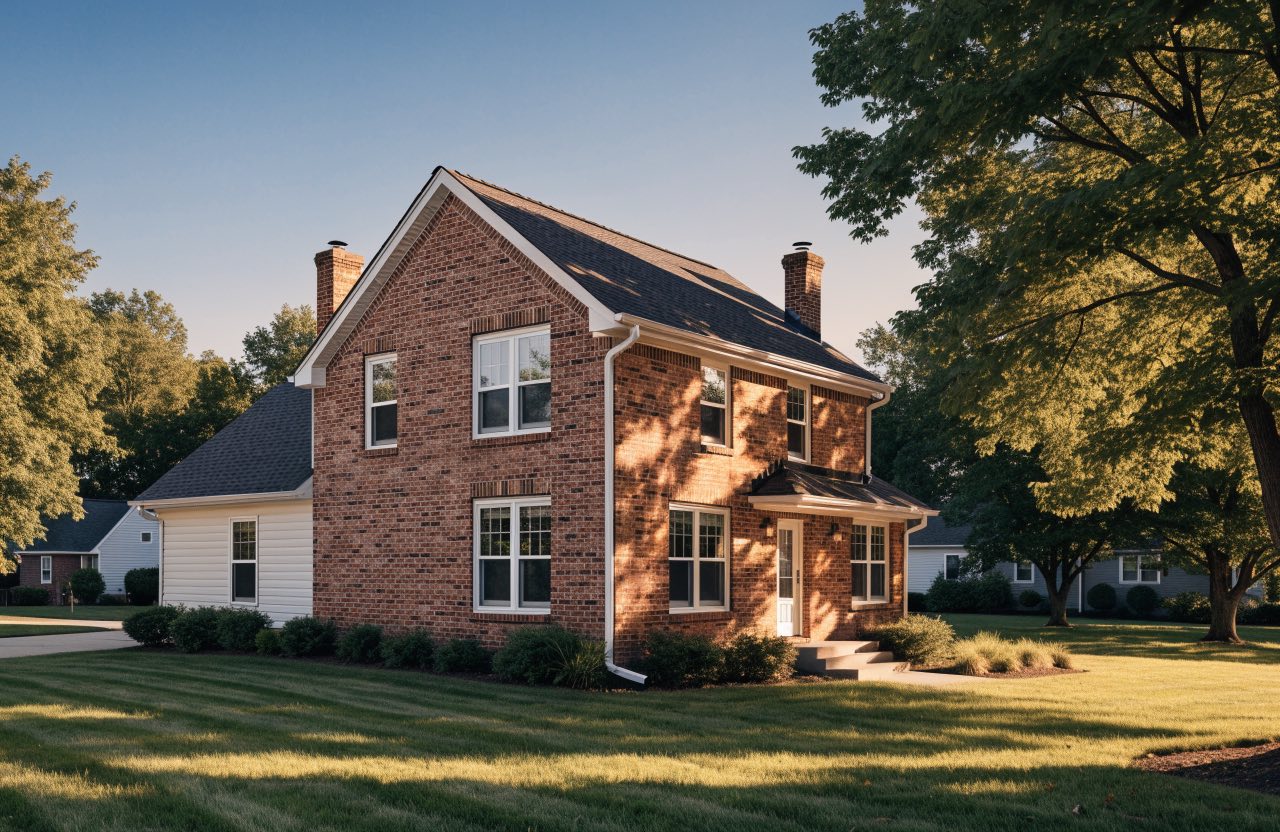
Roofing built around your home
Residential Roofing in Little Rock
Get help planning the right roofing work for your home.
Protecting the Home Under Your Roof
Residential roofs in Little Rock deal with intense summer heat, thunderstorms, heavy rain, wind, tree debris, humidity, and long-term sun exposure. Over time, those conditions can wear down roofing materials, flashing, sealants, ventilation components, and roof penetrations. Catching problems early can help homeowners avoid damage that reaches insulation, ceilings, walls, or framing.
Our residential roofing service covers repairs, new roof installation, replacement, and selected metal roofing options. We work with homeowners who need immediate help as well as those planning ahead for an aging roof. The goal is always to explain the condition clearly and recommend a practical next step.

Residential Roofing Services for Different Homes
From older houses near central Little Rock to newer homes in surrounding communities, roof design and condition vary widely. We adapt the roofing plan to the home instead of relying on a one-size-fits-all approach.
Shingle Roofing
Asphalt and architectural shingles remain common choices for residential roofs because they offer familiar appearance and a range of price points.
Residential Roof Repair
Localized leaks, storm damage, missing materials, and flashing problems may be repairable when the surrounding roof remains serviceable.
Residential Replacement
When wear becomes widespread, a complete replacement can provide a more dependable long-term solution than repeated patching.
Ventilation and Roof Details
Ventilation, valleys, flashing, pipe penetrations, edges, and transitions all affect how well the roof performs.
Residential Metal Roofing
Metal roofing can offer a durable alternative for homeowners looking for a different appearance or long-term roofing system.
Typical Residential Roofing Cost Factors
| Service | Estimated Cost | Average |
|---|---|---|
| Minor residential repair | $300-$1,500 | $750 |
| Shingle roof replacement | $7,000-$18,000+ | $12,000 |
| Residential metal roof | $12,000-$30,000+ | $20,000 |
Actual residential roofing prices depend on square footage, pitch, stories, materials, tear-off, decking, flashing, access, ventilation, and other project conditions.

Why Choose Us for Residential Roofing?
Homeowner-friendly explanations
We explain roofing issues in plain language so you understand what is urgent and what can be planned.
Care around the property
We organize materials, work areas, and cleanup with the home and surrounding property in mind.
Repair and replacement options
Because we handle both, we can recommend the approach that fits the roof condition rather than defaulting to one type of job.
Our Residential Roofing Process
Learn what you are seeing
We discuss leaks, age, storm damage, visible wear, past repairs, or the goals for your new roof.
Evaluate the roof
We review the roofing surface and important details that may affect repair or replacement.
Discuss options
We explain practical roofing choices and the scope needed for the home.
Complete the roofing work
The approved repair, installation, or replacement is completed with attention to the home's roof design.
Clean and review
We clean the work area and review the completed roof with the homeowner.

Residential Roofing Questions
How long should a roof last in Arkansas?
Architectural asphalt commonly gives fifteen to twenty-five years here, three-tab rather less, and metal forty to seventy. Arkansas heat, humidity and storm exposure age roofing faster than a milder climate, so plan toward the lower end of national figures.
How often should I have my roof inspected?
Once a year, and again after any significant hail or wind event. An annual look catches small failures while they are still cheap. Most of the expensive roof problems we see were inexpensive problems eighteen months earlier.
What maintenance does a roof need?
Keep gutters clear, keep branches off it, check flashing and pipe boots annually, make sure attic ventilation is working, and clear debris from valleys. That is most of it. Roofs do not need much, but they do need that much.
How can I make my roof last longer?
Ventilate the attic properly, keep water moving off and away, deal with small repairs promptly, and keep trees trimmed back. Attic ventilation is the one most people overlook and it has more effect on shingle life than almost anything else.
Should I clean leaves and debris off my roof?
Yes, particularly from valleys and behind chimneys where it collects. Wet debris holds moisture against the roof surface and blocks drainage. Use a blower or a soft brush from a safe position rather than walking the roof.
Should moss or algae be removed from shingles?
Moss should be, because it holds moisture and lifts shingle edges as it grows. Algae, the dark streaking, is mostly cosmetic. Both are treatable with the right cleaning solution. Neither should be scraped or blasted off.
Is pressure washing a roof safe?
No. Pressure washing strips the granules that protect asphalt shingles from sunlight and takes years off the roof in an afternoon. Soft washing with an appropriate cleaning solution is the correct method.
Why are there black streaks on my roof?
Algae, usually gloeocapsa magma, which feeds on the limestone filler in shingles and thrives in Arkansas humidity. It is unsightly rather than damaging. It can be cleaned, and algae-resistant shingles slow it returning.
Are curling shingles a sign I need a new roof?
Often, yes, particularly if it is happening across whole slopes rather than in one spot. Curling means the asphalt has dried and lost flexibility. Isolated curling can be a ventilation problem. Widespread curling is age.
What causes shingles to lose granules?
Normal weathering, hail impact, foot traffic, and age. Granules are the shingle's sunscreen. Once enough are gone the asphalt underneath degrades quickly, which is why granule loss is a genuine warning sign rather than a cosmetic one.
How many granules in the gutter are too many?
A little after installation is normal, and a light scatter each year is expected. Enough to form a visible layer in the gutters, or bare patches on the shingles themselves, means the roof is losing its protective surface faster than it should.
What causes shingles to buckle?
Usually moisture in the decking or underlayment, poor attic ventilation, or decking that has moved. Sometimes it is shingles installed over an uneven surface. Buckling is a symptom of something underneath, so it is worth diagnosing rather than patching.
What causes shingles to blister?
Trapped moisture or gas expanding under the surface, generally from poor attic ventilation or a manufacturing issue. Small blisters may not matter. Blisters that have opened expose the asphalt and start granule loss.
Does attic ventilation affect roof life?
More than most people realize. Poor ventilation traps heat and moisture against the underside of the deck, which cooks shingles from below and rots the decking. It is one of the most common causes of a roof failing early.
Can poor insulation damage a roof?
Indirectly, yes. Insulation that blocks soffit vents stops the airflow the roof depends on, and heat escaping into the attic drives moisture problems. Insulation and ventilation have to be considered together.
How often should gutters be cleaned?
Twice a year in most Arkansas properties, more if you have overhanging trees. Blocked gutters back water up under the bottom courses of shingles, which is one of the most preventable causes of roof damage.
Can trees damage my roof?
Yes, three ways: branches abrading the surface in wind, leaf debris holding moisture and blocking drainage, and limbs falling in storms. Shade also encourages moss. Trees near a house are worth managing rather than removing.
Should tree branches touching the roof be trimmed?
Yes. Anything touching or overhanging the roof should be cut back several feet. Branches wear the granules off shingles every time the wind moves them, and they give squirrels a route onto your roof.
What are the signs of a well-maintained roof?
Flat, uniform shingle courses with no curling or missing tabs, intact flashing at every penetration, clear gutters and valleys, a dry attic with no staining on the decking, and no granule accumulation at downspouts.
Do I need a roof inspection before buying a house?
It is worth it. A general home inspection looks at a roof briefly and often from the ground. A roofer will tell you what is left, what it will cost, and when, which is information you can negotiate with.
Contact Us Today for a Free Estimate
Whether the roof is leaking today or simply getting older, we can help you understand your options.
Free — no obligations